dyyseo
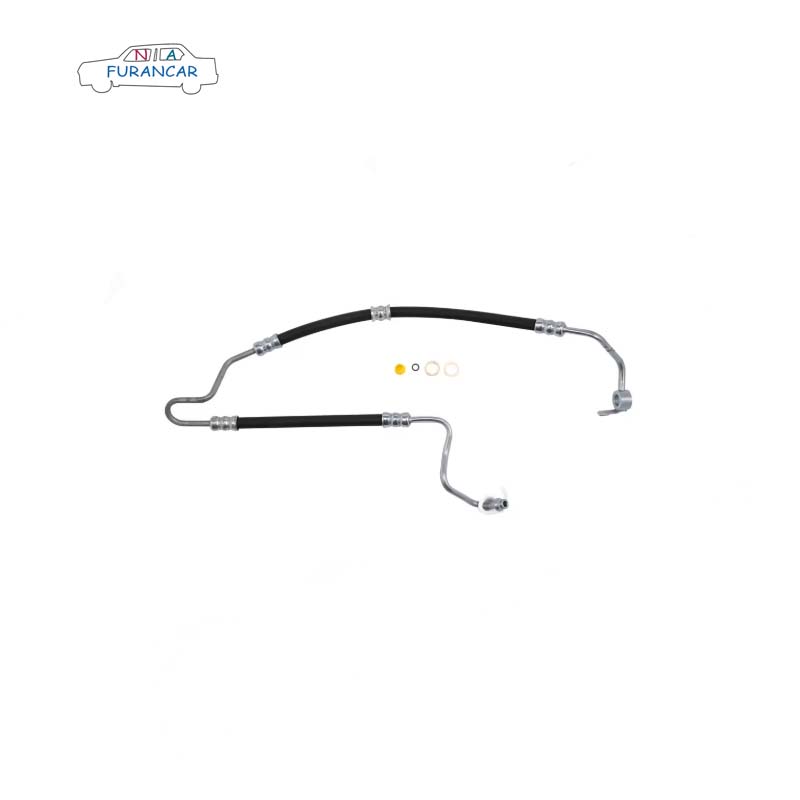
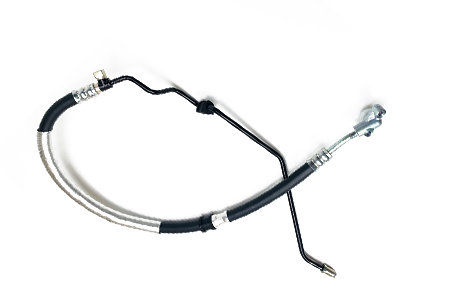
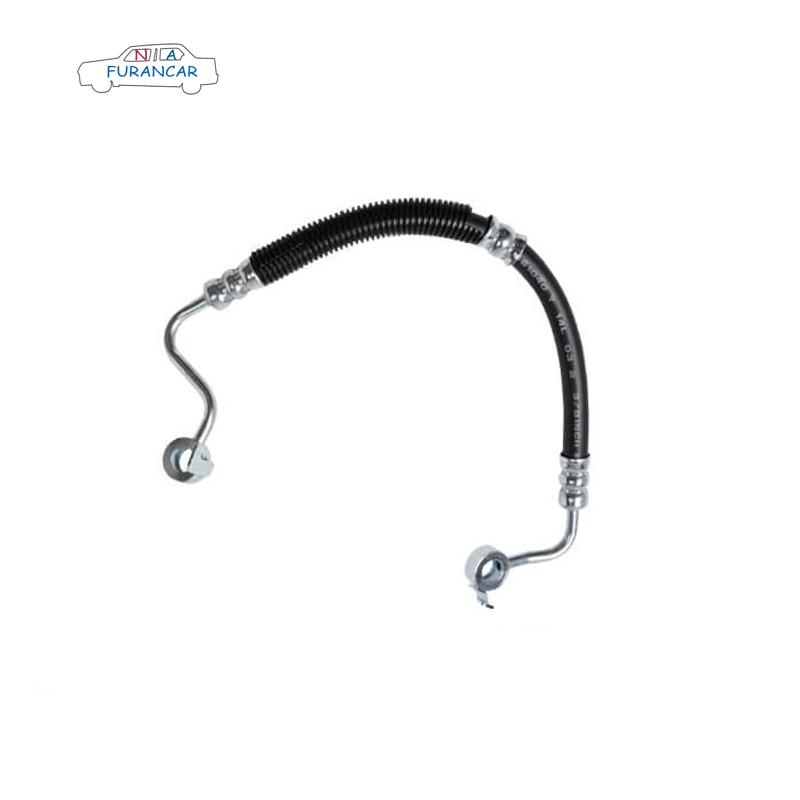
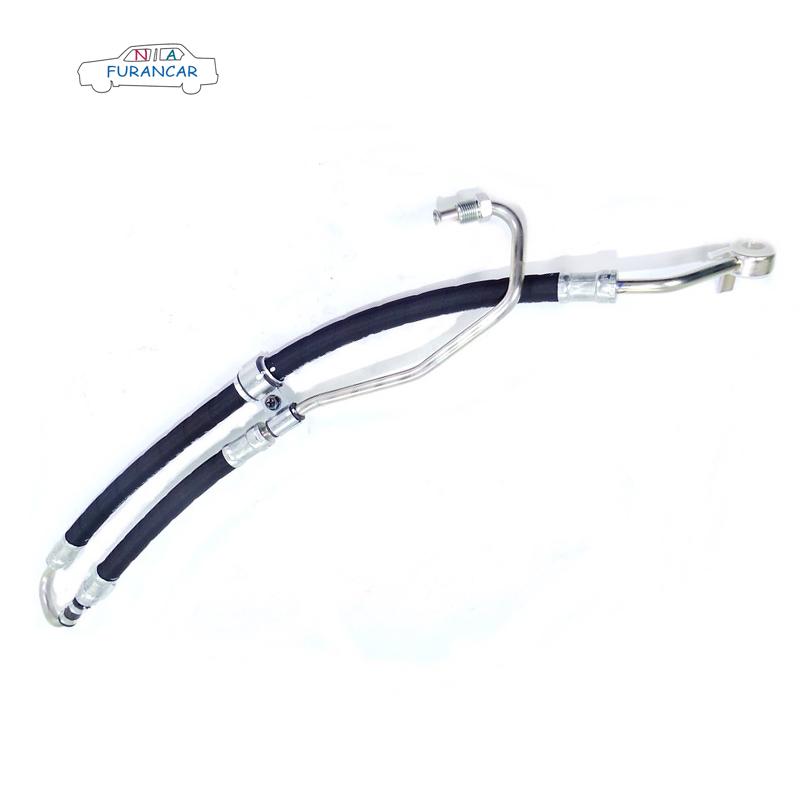
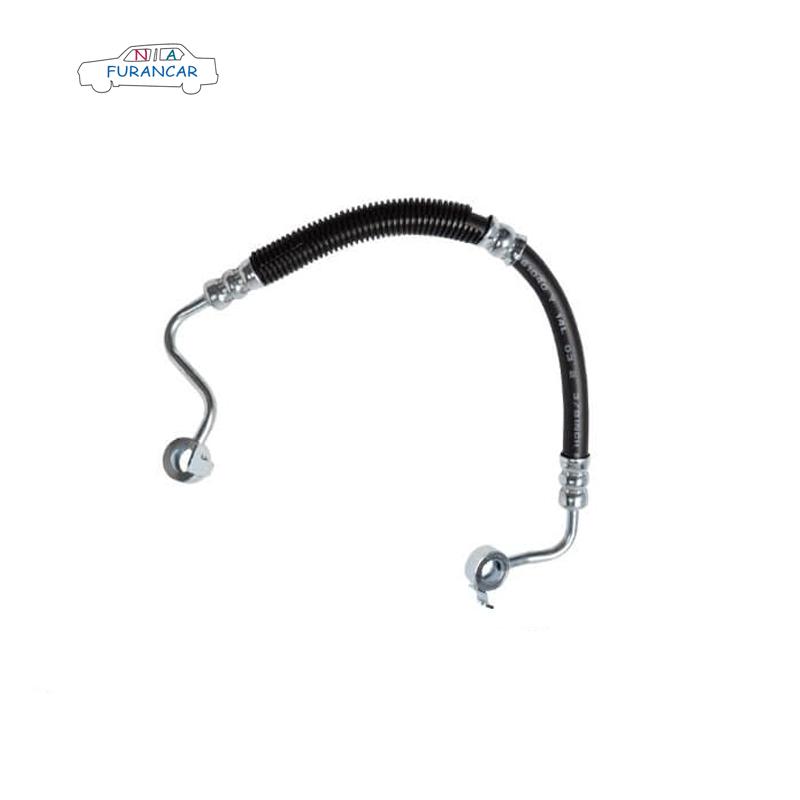
Power Steering Hose

Common Fault Symptoms, Causes and Troubleshooting Methods for Power Steering Systems

1. Power steering feels heavy or lacks assistance


Fault Symptom:


The steering becomes heavy, with a brief loss of hydraulic assistance.


Cause of malfunction:


① Oil pump V-belt slack

② Oil reservoir level too low

③ Insufficient oil pump pressure

④ Pressure control sticking

⑤ Excessive external leakage

⑥ Excessive internal leakage

⑦ Steering shaft bushing too tight

⑧ Front suspension deformation

⑨ Air present in hydraulic system


Exclusion method:


① Inspect the condition of the steering pump drive assembly. Manually depress the drive belt of the steering pump; excessive deflection indicates the belt is excessively tight and requires adjustment. Start the engine and allow it to idle. Abruptly increase engine speed to check for belt slippage. Any slippage indicates the drive belt is either too loose or excessively worn, necessitating adjustment or replacement.


② Check the fluid level in the reservoir. Should the level be below the lower mark or ‘MIN’ line, insufficient fluid is present and should be topped up to the specified level.


③ Inspect the reservoir's filter. Remove the filter and examine the screen. If excessively dirty, the filter is clogged and requires cleaning; if cracked, it must be replaced.


④ Check for air ingress in the system. First, start the engine and allow it to idle. Then turn the steering wheel several times in both directions. Observe the condition of the steering fluid. If foam is present or the fluid appears cloudy, this indicates air has entered the steering system and must be purged. Inspect the steering pump's inlet hose for cracks. If cracked, replace it. Inspect all pipe connections for looseness; tighten any loose fittings. Examine the seal ring on the steering pump shaft for damage; replace with a new part if oil leakage is detected.


⑤ Check the steering system's oil pressure. Connect a pressure gauge between the steering pump and power steering unit. With the engine idling, close the gauge valve. If the pressure fails to reach the specified value within 10 seconds, this indicates insufficient pressure from the steering pump. The pump should be disassembled for inspection and repair. Turn the steering wheel to its left or right limit position, then open the gauge valve. If the pressure fails to reach the required value, this indicates a fault with the power steering unit or improper valve adjustment. The unit should be disassembled for inspection and adjustment.


2. Power steering system is making noise


Fault Symptom:

Noise emanating from the steering pump during vehicle steering manoeuvres

Causes of Fault:

① Loose V-belt on the pump
② Damaged pump bearings
③ Faulty pressure plate or rotor
④ Excessive wear on pump rings
⑤ Insufficient reservoir fluid
⑥ Air ingress in hydraulic system or loose pressure hose connections
⑦ Improper pump assembly
⑧ Malfunctioning relief valve


Troubleshooting Procedure:


① Inspect the steering fluid level within the reservoir. Should the level fall below the lower mark or ‘MIN’ line, this indicates insufficient fluid and necessitates topping up to the specified position. Excessive fluid consumption suggests a significant leak, requiring investigation and rectification.


② Examine the steering pump drive assembly. Manually depress the steering pump drive belt. Excessive deflection indicates a loose belt, requiring adjustment.


③ Verify the presence of air in the steering hydraulic system. Open the reservoir cap, start the engine at idle speed, and turn the steering wheel several times. Observe for bubbles in the fluid. If bubbles are present, air has entered the system and must be purged.


④ Verify the reservoir filter screen is unobstructed and the hydraulic lines are correctly routed. Remove the reservoir filter screen; if excessively soiled, indicating poor fluid circulation, clean it. Replace any kinked or dented hydraulic lines.


⑤ Should all preceding checks prove satisfactory, disassemble and inspect the steering pump. Examine the vanes for scratches and the pump housing for damage. Replace any affected components based on the inspection findings.


3. Uneven steering effort when turning left or right


Fault Symptom:


During vehicle operation, unequal steering effort is required when turning left and right.


Causes of Fault:


① The spool (or slide valve) of the steering control valve is displaced from its neutral position, or although in neutral, the clearance between it and the valve body shoulder is inconsistent;

② Contaminants within the control valve cause obstruction, resulting in differing rotational resistance when turning left or right;

③ Air ingress into one oil chamber of the power cylinder within the hydraulic system;

④ Oil leakage in the circuit.


Troubleshooting Methods:


This fault is often caused by contaminated hydraulic fluid. Replace the fluid with fresh oil as specified before further inspection.


① If the oil quality is satisfactory or the fault persists after replacement, bleed the hydraulic system and inspect for oil leaks. Replace components at any leakage points.


② Should the fault persist, it may stem from improper centring of the control valve. For spool-type steering control valves, rectification can be performed externally on the power steering unit by adjusting the spool position within the valve body. If no improvement occurs after spool repositioning, disassemble and inspect the spool, measuring its dimensions. Replace the spool if significant deviations are found. For rotary-type steering control valves, fault diagnosis necessitates complete disassembly and inspection.
阅读全文......

How to Make an Emergency Power Steering Hose Repair

How to Make an Emergency Power Steering Hose Repair 


Ever had a power steering hose spring a leak and you are in the middle of nowhere, there is a parts store but your part isn't available. I will show you a quick and easy way to repair a power steering hose. 
Determine leak location: You have established you do have a power steering hose leaking, you can turn the steering wheel with the engine running and power steering fluid will spray out the hole in the hose, you may need an assistant for that part. You may also need to jack up the vehicle to see where it is leaking from. Set parking brake and use blocks or jack stands for safety after lifting vehicle. You may have to add fluid to an empty power steering pump to locate the leak. 
Cut the hose: After you have determined where the leak is, then remove the bad spot in the hose.   
Install the hose clamps: Install the hose clamps 2 on each side, Stagger hose clips against each other. This allows you to get them closer together and have more clamping force on the splice. Slide in the brass coupling, install the hose clamps on the other end of the hose and slide the hose into the coupling. Make sure you slide it all the way on. 
Tighten the clamps as tight as you can get them without stripping the clamps out, put the hose back into position in the vehicle. Fill the power steering tank and recheck for leaks, if you have made a successful repair the power steering will work and you won't lose a drop of fluid. 

阅读全文......

Power Steering Hose Method of inspection

Power Steering Hose Method of inspection 
1. Where visible (without the removal of reservoir cap), check the power steering fluid level in the reservoir. 
2. 
Check the condition of power steering pipes and hoses. 
3. 
With the front road wheels on the ground, vehicle in neutral gear and the parking brake applied, run the engine and rock the steering wheel in both directions. 
Check: a. by feel at the steering wheel, that the system is operating b. for leaks in the system c. that feed pipes are free from damage and are not chafing on other parts of the vehicle. 
4. In the case of external power systems check: a. the ram anchorages for cracks, damage and security to the frame or other fixed members of the vehicle b. the ram for cracks and/or damage c. for movement indicating wear at the anchorage point d. misalignment or fouling of components. 
5. With the engine stopped and steering wheel lightly rocked, check for excessive free play between ball-pin and valve. 
Where practicable, check the security of the power steering pump and the condition of its drive system. 
7. 
Check for any inappropriate repair or modification to power steering system components. 

阅读全文......

Power steering tubing is blocked

Power steering tubing is blocked


Power steering fluid leaks – The first and most common reason to consider with respect to why you are not getting enough power from your power steering is you may have one or more leaks in your system. You constantly have fluid being forced through your power steering hoses at high pressure, so it is not at all surprising that one of those could at some point spring a leak. If this is your problem, you will need to replace your power steering fluid and find ways to stop the leaks from causing you to lose fluid in the future. 

Power steering pump – Your power steering pumps are what force the power steering fluid through the system to create the hydraulic pressure you need. Even if you have enough power steering fluid in the system, if the pump isn’t working properly, you will not get adequate power steering. It’s hard to know if your problem is being caused by a fluid leak or a worn out pump, although some signs of pump problems are a humming or whining noise when you try to steer and the fact that your power steering fluid reservoir is relatively full even though you are not getting power steering. If this is your problem, you will need to replace the pump, so you want to exhaust all other possibilities before assuming that this is the source of your power steering issues. 
Clogs in the power steering system – A rarer problem that can lead to loss of power steering is a clog in your power steering system. In some cases, rust from worn components or contaminants from dirty power steering fluid can combine to create a block of debris that restricts the flow of power steering fluid through your system. If this happens, you will not get the pressure you need for your power steering to work properly. Clogs can be hard to diagnose as they are very difficult to locate in the system. 
Air in the power steering system – A related problem to a clog — although with different causes — is air in your power steering system. The more air there is in your power steering fluid, the less liquid there is available to create hydraulic pressure. This can be a deceptive problem because you may not notice a particularly low level of liquid in your reservoir, leading you to believe you have a pump problem. Fortunately, the same solutions that you try for a fluid leak can be tried for air in the system, because it is usually caused by loose seals or bad O-rings that allow air to leak into the system. 

阅读全文......

Rarely Discussed, Yet Crucial:A Detailed Explanation of the Power Steering System

When reviewing the specification sheet, have you noticed an entry labelled ‘Power Steering Type’? Common options in this section include mechanical hydraulic power steering, electronic hydraulic power steering, and electric power steering. What exactly does ‘Power Steering Type’ refer to? What do these three variants represent? What are the differences and respective advantages and disadvantages of each method?


We've all experienced it firsthand: when the engine isn't running, even with all your strength, it's incredibly difficult to turn the steering wheel. Just imagine – can you really expect to effortlessly manoeuvre something weighing nearly two tonnes? To tackle this issue, a system known as power steering was developed. As the name suggests, its purpose is to assist you in turning the wheel. Currently, the market primarily offers three types of power steering: mechanical hydraulic power steering, electronic hydraulic power steering, and electronic power steering.


1.Mechanical hydraulic power steering

Mechanical hydraulic power steering systems typically comprise components such as a hydraulic pump, oil lines, pressure and flow control valve bodies, drive belts, and reservoir tanks. The operating principle involves the hydraulic pump generating oil pressure to actuate a piston, thereby producing an auxiliary force that drives the steering linkage to assist wheel turning. Vehicles equipped with this system often exhibit heavier steering feel and increased engine load during low-speed, wide-radius turns. Due to the high pressure generated by the hydraulic pump, the power steering system is also more susceptible to damage. Mechanical hydraulic power steering systems are commonly employed in most economy saloon cars.


2.Electronic Hydraulic Power Steering


Primarily comprising a reservoir tank, power steering control unit, electric pump, steering gear, and power steering sensor, the electronic hydraulic power steering system employs an electrically driven electric pump, wherein the power steering control unit and electric pump form an integrated assembly. This system enables smoother cornering and driving by calculating the optimal steering assistance based on signals such as vehicle speed and steering angle, as determined by the electronic control unit. The electronic hydraulic power steering system is currently the most widely adopted power steering system.


3.Electric Power Steering (EPS)

Generally comprising a steering sensor, electronic control unit, electric motor, reduction gear, mechanical steering gear, and power supply, the specific configuration may vary. The absence of hydraulic components such as the hydraulic pump, hydraulic lines, and steering column valve body results in a simpler structure. Under the control of the electronic control unit, the vehicle can readily achieve variable assistance functionality. This means greater assistance energy and lighter steering at lower speeds, while reduced assistance energy and heavier steering are provided at higher speeds. When no steering input is required, the system remains inactive, entering a dormant state awaiting activation. Such power steering systems are commonly found in premium saloon cars, and an increasing number of vehicles are now adopting this form of steering assistance.


Power steering fluid, being subjected to continuous extreme pressure and high-temperature conditions, will deteriorate and become contaminated over time, losing its lubricating properties. This leads to the formation of deposits such as varnish, causing steering difficulties and steering wheel vibration. The power steering system is crucial to our driving safety.


How often should power steering fluid be changed? While vehicle manufacturers do not strictly stipulate a replacement interval for power steering fluid, it is advisable to replace it every 40,000 to 50,000 kilometres or within 2 to 3 years to prevent contamination or degradation that could lead to further issues. Should inspection of the power steering system reveal the fluid level below the minimum mark, a noticeable thinning of the fluid, or a darkening of its colour, replacement should be carried out immediately.


Finally, a word of caution to many motorists who habitually substitute gearbox oil for steering fluid: this practice is not recommended. The two fluids differ in viscosity, molecular structure and function, and may damage the steering mechanism. While the effects may not be immediately apparent, the internal rubber seals within the steering unit will deteriorate, leading to persistent oil leakage. The steering system is crucial for driving safety, reducing the effort required to turn the wheel and ensuring a smoother driving experience. Therefore, regular maintenance and inspection are absolutely essential!


Different types of power steering systems require distinct maintenance approaches. For mechanical hydraulic systems, routine checks must prioritise ensuring the power steering reservoir remains adequately filled with steering fluid. Additionally, avoid holding the steering wheel at full lock for extended periods. Regularly monitor whether steering feels excessively heavy or produces unusual noises. Should such symptoms arise, promptly inspect components such as the oil pump V-belt and internal pressure levels. For electro-hydraulic systems, routine checks on power steering fluid levels remain crucial; immediate investigation is required whenever the warning light illuminates. Regarding electric power steering systems, despite their relatively simple construction, maintenance demands more than visual inspection. Should steering become unresponsive or exhibit heavy operation, diagnostic instruments become essential for accurate measurement.


阅读全文......

What Is Power Steering Hose Replacement?

What Is Power Steering Hose Replacement?
The power steering hoses and the connecting components can be located in a number of places. They may be under the axle, while the gearboxes could be near the wheel well or somewhere along the frames. The difference in location may not make the replacement process much longer or more involved for the mechanic, but the mechanic will likely look up manufacturer’s specifications for the vehicle before attempting work on the hoses to ensure they are dealing with the right components. They want to be sure they know where to look for the problem and not end up messing with the wrong components.

This process should be fairly quick, taking less than two hours and not involving more than a few parts at most. However, if you drive your vehicle in a damaged state, then more damage is likely to occur.

Benefits of Power Steering Hose Replacement
Since the hoses supply fluid to the power steering system, you need them if you are going to have an easy time driving the car. You will have better control over the wheel and the car itself with these hoses replaced, if they were giving you trouble before. You will also prevent damage to other systems that could have accrued if the problem was allowed to persist.
What Is Done during Power Steering Hose Replacement?
The mechanic will find out where the hoses are located, first of all, and check for leaks or other problems to ensure the issue is localized and that the hoses are all that needs to be changed out.

阅读全文......