dyyseo

What exactly is a turbocharger?

The engine generates power by burning fuel within the cylinders to perform work. As the amount of fuel input is constrained by the volume of air drawn into the cylinders, the engine's power output is consequently limited. Should the engine's operating performance already be at its optimum state, increasing output power can only be achieved by compressing more air into the cylinders to increase the fuel quantity, thereby enhancing the engine's capacity to perform work.


The turbocharger system is one of the most common forced induction systems in supercharged engines.
If, within the same unit of time, a greater volume of air-fuel mixture can be forcibly compressed within the cylinder (combustion chamber) for combustion (a small-displacement engine can “draw in” the same air volume as a large-displacement engine, thereby increasing volumetric efficiency), it can generate greater power output than a naturally aspirated engine at the same rotational speed. The principle is akin to directing an electric fan into the cylinder, forcibly pumping air into it to increase the volume and thereby achieve greater horsepower. The difference lies in the power source: instead of an electric motor, the fan is driven by the exhaust gases expelled from the engine.

Typically, engines incorporating such forced induction achieve at least a 30-40% power increase. This remarkable effect is precisely why turbochargers are so highly prized. Moreover, delivering optimal combustion efficiency and substantial power gains represent the core value a turbocharged system offers to a vehicle.

So how exactly does a turbocharger function?


First, the exhaust gases expelled from the engine drive the turbine impeller at the exhaust end (right side in the diagram above), causing it to rotate. This rotation in turn drives the connected compressor impeller on the opposite side (left side). The compressor impeller then forcibly draws air through the inlet. This air is compressed by the rotating blades before entering progressively narrower compression passages for secondary compression. The temperature of this compressed air exceeds that of the intake air, necessitating cooling via an intercooler before injection into the combustion chambers. This cyclical process constitutes the operating principle of the turbocharger.


The function of the throttle valve


Within the engine's intake system, there are two principal components: firstly, the air filter, which is responsible for filtering impurities from the air; and secondly, the intake manifold, which directs the air into the cylinders. Within the intake manifold lies a crucial component known as the throttle valve.

The throttle valve's primary function is to regulate the volume of air-fuel mixture entering the cylinders. When driving, the depth to which we depress the accelerator pedal directly controls the throttle valve's opening. The deeper the pedal is pressed, the wider the throttle valve opens, allowing greater air-fuel mixture intake and consequently increasing the engine's rotational speed.


Traditional cable-operated throttles utilise a steel cable connected at one end to the accelerator pedal and at the other to the throttle valve, employing a 1:1 transmission ratio. This method yields less than ideal control precision. In contrast, modern electronic throttle systems employ position sensors to transmit data such as the force and amplitude of the accelerator pedal depression to the control unit for analysis. This process interprets the driver's intent, after which the ECU calculates the actual throttle opening required and issues commands to operate the throttle motor, thereby achieving precise throttle control.


Is the intake manifold length variable?


A control valve installed within the intake manifold can divide it into two sections by opening and closing, thereby altering its effective length. This adjustment of the intake manifold's length primarily serves to enhance the engine's intake efficiency across varying rotational speeds, thereby improving power delivery performance throughout the entire rev range.

Why does the exhaust manifold have such an odd shape?


The vehicle's exhaust system primarily comprises the exhaust manifold, three-way catalytic converter, silencer and exhaust pipes. Its principal function is to expel the combustion exhaust gases from the cylinders into the atmosphere.


The exhaust manifolds we commonly observe feature rather peculiar shapes. This design serves to minimise interference between exhaust gases from different cylinders or the occurrence of backflow, thereby preventing any detrimental impact on the engine's power output.


How does a turbocharger boost pressure?


Turbocharging is commonly abbreviated as Turbo or T. When we see markings such as 1.4T or 2.0T on a vehicle's rear, it indicates that the engine is turbocharged.


The turbocharger primarily consists of two components: the turbine and the compressor, connected by a drive shaft. The turbine's inlet is linked to the engine's exhaust manifold, while its outlet connects to the exhaust pipe. The compressor's inlet is connected to the intake manifold, and its outlet is connected to the intake manifold. The exhaust gases expelled from the engine strike the turbine, causing it to spin at high speed. This, in turn, drives the coaxial compressor to rotate rapidly, forcibly delivering pressurised air into the cylinders.


Turbocharging primarily harnesses the energy from engine exhaust gases to drive a compressor, thereby boosting the intake air pressure. This process consumes virtually no engine power, delivering excellent sustained acceleration. However, at low speeds, the turbocharger cannot engage promptly, resulting in a certain degree of lag.


What about mechanical supercharging?


Mechanical supercharging primarily involves using the crankshaft's power to drive a mechanical air compressor, thereby compressing air. However, this process incurs a certain degree of power loss from the engine during operation.


As the mechanical supercharger is directly driven by the crankshaft, it commences operation whenever the engine is running. Consequently, the engine delivers impressive torque output even at low revs. However, during high-speed operation, the mechanical supercharger imposes significant power losses on the engine, resulting in less pronounced power gains.


How does a twin-turbocharged engine work?


A twin-charged engine, as the name suggests, refers to an engine equipped with two superchargers. Should an engine utilise two turbochargers, it is termed a twin-turbocharged engine.


To address turbocharger lag in exhaust gas-driven systems, two identical turbines are connected in parallel on the exhaust manifold. At low engine speeds, the reduced exhaust flow can drive the turbines to high rotational speeds, generating sufficient boost pressure and thereby minimising turbo lag.

As previously noted, turbochargers exhibit lag at low engine speeds, yet deliver substantial boost at high speeds, markedly enhancing engine power without consuming significant engine power. In contrast, mechanical superchargers are directly driven by the engine's rotation, eliminating turbocharger lag but incurring some power loss and offering lower boost levels. Combining these two systems allows their respective advantages to complement each other.

As with the 1.4-litre TSI engine fitted to the Volkswagen Golf GT, the designers combined a turbocharger with a supercharger. The supercharger is mounted on the engine's intake system, while the turbocharger is positioned on the exhaust system. This arrangement ensures effective boost delivery across the entire engine speed range, from low to high revs.


Working Principle of a Turbocharger


The operating principle of a turbocharger is actually quite straightforward. Simply put, it harnesses the exhaust gases emitted by the engine to drive the turbine. This turbine, in turn, drives a fan connected to the same shaft, continuously forcing fresh air into the engine cylinders. Consequently, more air enters the cylinders per unit time, thereby enhancing the engine's efficiency.


Turbochargers are high-temperature components, as the gases driving their operation are drawn directly from exhaust gases expelled from the cylinders, reaching temperatures of 900°C to 1000°C. Under full load conditions, the turbine's rotational speed can attain 180,000 to 200,000 revolutions per minute. Operating at such extreme temperatures and rotational speeds necessitates exceptionally efficient and stable lubrication. Moreover, functioning within high-temperature and high-pressure conditions demands that all turbocharger components and lubricants exhibit excellent heat resistance and sealing properties. Consequently, maintenance should focus on the following aspects:


1.Selection of engine oil

Many motorists find themselves at a loss when selecting engine oil for replacement. Damage to turbochargers typically stems from compromised oil seals between the unit and intake manifold, resulting in significant oil consumption. Professional investigations reveal that a significant proportion of oil seal failures stem from owners failing to change their engine oil at the recommended intervals, or using substandard oil. This prevents the floating turbocharger main drive shaft from receiving adequate lubrication and heat dissipation, causing the oil seal to deteriorate under high temperatures and resulting in oil leakage.


It is therefore recommended that turbocharged engines should be fitted with high-quality engine oil that offers excellent high-temperature resistance and oxidation stability, whilst also ensuring that the oil change interval is appropriately shortened.


2.Ensure the turbine remains clean

The clearance between the turbocharger shaft and its bearing sleeve is extremely small. Consequently, if contaminated engine oil is used, or if impurities enter due to a dirty oil filter, this will cause excessive wear on the turbocharger. Furthermore, should the intake air contain significant impurities, these dust particles entering the high-speed turbine impeller will collide with it. This results in unstable turbine operation and accelerated wear of the bearing bushings and seals. Consequently, vehicles equipped with turbochargers must pay particular attention to promptly replacing both the oil filter and air filter to maintain the cleanliness of the turbocharger.


3.Cold starts should be gradual; allow the engine to idle for a moment after warming up before switching it off.


During the initial stages of a cold start, engine oil is typically at a low temperature and exhibits greater viscosity, resulting in suboptimal lubrication. Reaching normal operating temperature requires a gradual process and time. Forcing the turbocharger to operate at full load within these first few minutes will increase wear and tear, thereby shortening its lifespan.

The correct approach is as follows: during the first few minutes of driving, maintain a slow speed for several minutes to allow the oil to reach its optimal state before accelerating to high engine speeds. This is particularly crucial in northern winters, where it is essential to let the vehicle warm up after a cold start before proceeding. This benefits both the vehicle and the driver.

When parking, as the turbo operates at extremely high temperatures, it is advisable to idle the engine for a short while before switching it off. At this stage, the engine's oil and cooling systems remain active, allowing the turbo's temperature to gradually decrease. Note that after switching off the engine, the turbo will continue to spin due to inertia, and it still requires oil lubrication. If you abruptly switch off the engine, the entire engine system ceases operation, abruptly halting both the turbocharger's cooling system and oil supply. It would then rely solely on natural cooling, which can drastically reduce the turbocharger's lifespan.

4.Regular inspections are important


Much like regular health check-ups for the human body, cultivating this good habit helps us detect turbocharger faults promptly and prevent problems before they arise. For instance: inspect the turbocharger's exterior for damaged sealing rings; check oil inlet and return pipe connections for looseness or leakage; examine the exhaust outlet for residual oil; verify the compressor inlet duct walls are free of oil; and listen for unusual noises or abnormal vibrations. Should any of these irregularities be detected during routine operation, prompt professional servicing is essential to prevent more severe component damage.
阅读全文......

What Is Power Steering Hose Replacement?

What Is Power Steering Hose Replacement?
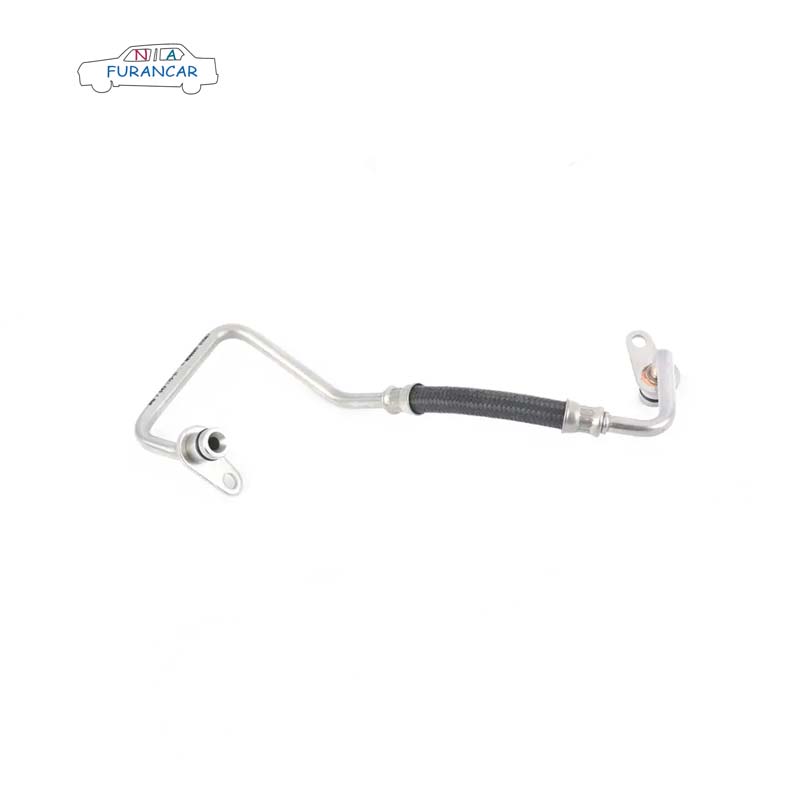
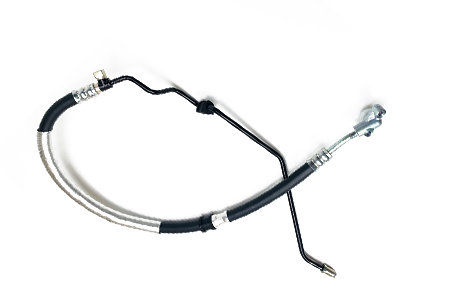
The power steering hoses and the connecting components can be located in a number of places. They may be under the axle, while the gearboxes could be near the wheel well or somewhere along the frames. The difference in location may not make the replacement process much longer or more involved for the mechanic, but the mechanic will likely look up manufacturer’s specifications for the vehicle before attempting work on the hoses to ensure they are dealing with the right components. They want to be sure they know where to look for the problem and not end up messing with the wrong components.

This process should be fairly quick, taking less than two hours and not involving more than a few parts at most. However, if you drive your vehicle in a damaged state, then more damage is likely to occur.

Benefits of Power Steering Hose Replacement
Since the hoses supply fluid to the power steering system, you need them if you are going to have an easy time driving the car. You will have better control over the wheel and the car itself with these hoses replaced, if they were giving you trouble before. You will also prevent damage to other systems that could have accrued if the problem was allowed to persist.
What Is Done during Power Steering Hose Replacement?
The mechanic will find out where the hoses are located, first of all, and check for leaks or other problems to ensure the issue is localized and that the hoses are all that needs to be changed out.

阅读全文......

WHY DOES MY SWAY BAR LINK BREAK?

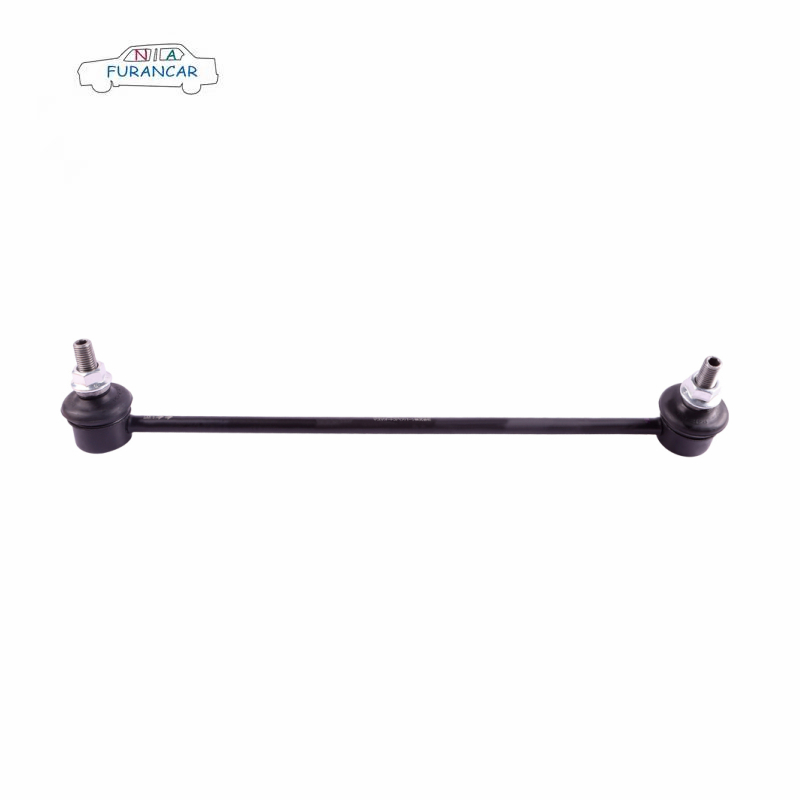
To figure out why your sway bar link breaks, it's first important to understand how sway bars work. The sway bar, also known as an anti-roll bar or stabilizer bar, is a vital part of your vehicle’s suspension system and keeps it level during cornering. Sway bars are usually a long and hollow arched steel bar attached to the chassis, connecting the left and right sides. This stabilizes your vehicle while still allowing the suspension to move on its own.

Sway bar links are what connect the outer end of the sway bar to the suspension component. Because the sway bar itself is a torsional swing, the sway bar link smooths the motion transfer between the sway bar and the control arm. The sway bar link maintains the camber angle of the inner wheels to control motion.

Like many automotive parts, over time the sway bar links will wear out. Water intrusion that leads to rust, age, and lack of lubrication all contribute to deterioration over time. A knocking noise from your suspension, rattling sounds while taking corners and hitting bumps, and excessive body roll are signs it may be time for a replacement. Sway bars and their components are all paramount to driver safety.

阅读全文......

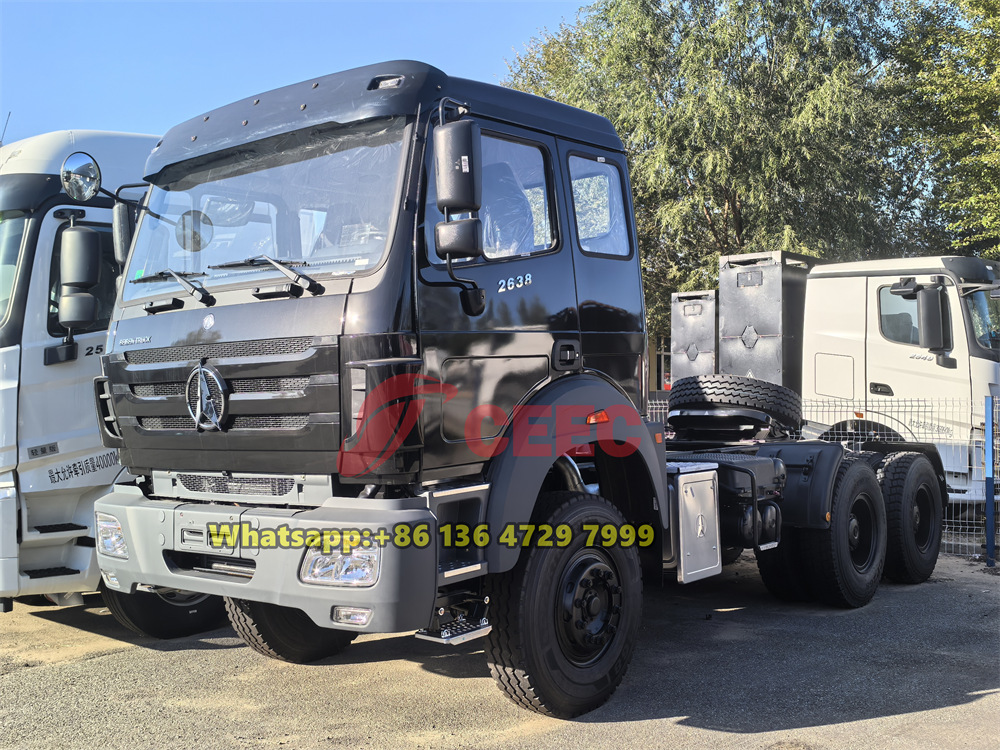
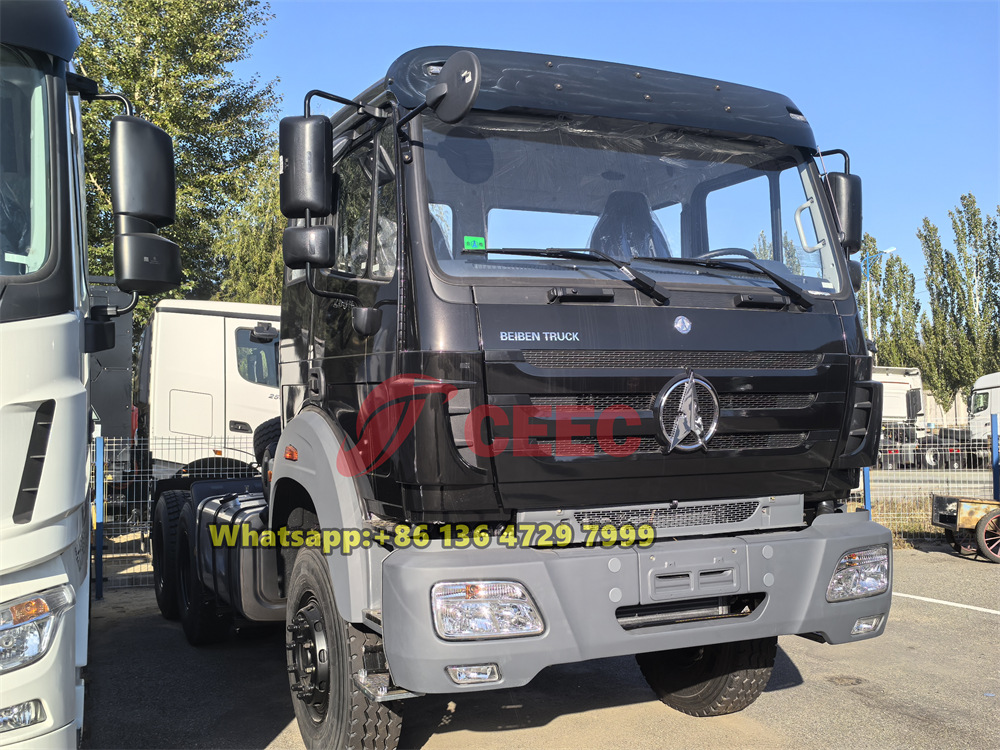
Beiben 2638 tractor truck with WP10.380E32 diesel engine

Beiben 2638 tractor truck is engineered as a heavy-duty commercial vehicle designed for demanding logistics and industrial operations. Its robust architecture, powered by WP10.380E32 diesel engine and reinforced chassis, enables efficient handling of long-haul freight transport across diverse terrains.

Beiben 2638 tractor truck primary role lies in freight transportation, where it efficiently hauls oversized or heavy cargo across intercity and cross-regional routes. Equipped with a high-torque diesel engine, Beiben 2638 trailer tractor truck ensures stable performance under heavy loads, making it ideal for industries requiring bulk material delivery, such as mining, steel production, and infrastructure development.


beiben 2638 towing tractor truck

Beiben 2638 Tractor Truck Applications in the Democratic Republic of Congo (DRC)

  1. Heavy-Duty Logistics and Freight Transport
    The Beiben 2638 serves as a backbone for long-haul logistics in the DRC’s challenging terrains. Equipped with a robust 380-horsepower engine and high-torque transmission, it transports minerals, agricultural produce, and manufactured goods across vast distances. Its reinforced chassis and 25-ton payload capacity ensure reliable movement of commodities from remote mining zones (e.g., Katanga) to ports like Matadi, overcoming unpaved roads and extreme weather conditions.

  2. Infrastructure Development Support
    This truck is integral to road construction and urban development projects. Its compatibility with trailers and construction equipment, such as articulated dump trucks, enables efficient haulage of asphalt, gravel, and machinery. In regions like Kinshasa and Lubumbashi, the Beiben 2638 aids in building highways, bridges, and drainage systems, while its all-wheel-drive configuration tackles muddy or uneven sites during rainy seasons.

  3. Agricultural Sector Enhancement
    Farmers and agribusinesses utilize the Beiben 2638 to transport bulk harvests, including cassava, maize, and palm oil, from rural areas to processing centers. Its durability reduces spoilage risks by ensuring timely delivery, even in low-access regions. Additionally, the truck’s PTO (power take-off) system supports mechanized farming by operating irrigation pumps and grain elevators, boosting agricultural productivity.

  4. Emergency Response and Humanitarian Aid
    During crises, the model’s adaptability proves vital. NGOs deploy it to deliver relief supplies—food, medical equipment, and shelter materials—to conflict-affected or disaster-prone areas like North Kivu. The cab-over-engine design enhances maneuverability in congested urban zones, while its fuel-efficient Euro III engine minimizes operational costs during prolonged missions.

beiben 2638 towing tractor truckBeiben 2638 tractor truck with NG80B sleeper cabin
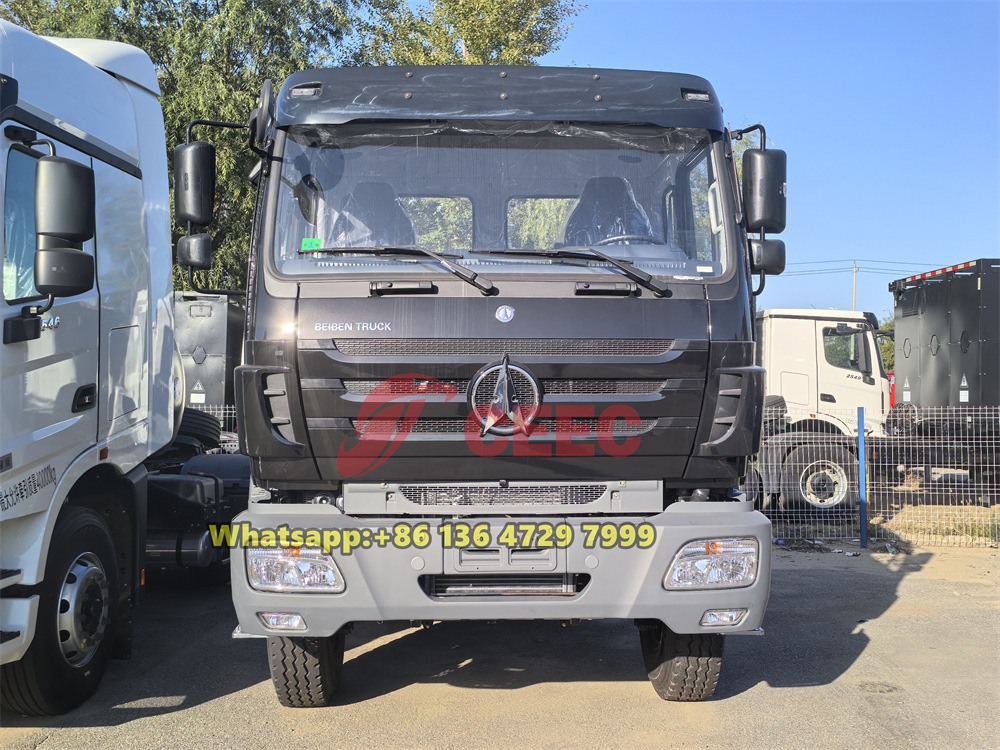
beiben 2638 towing tractor truck

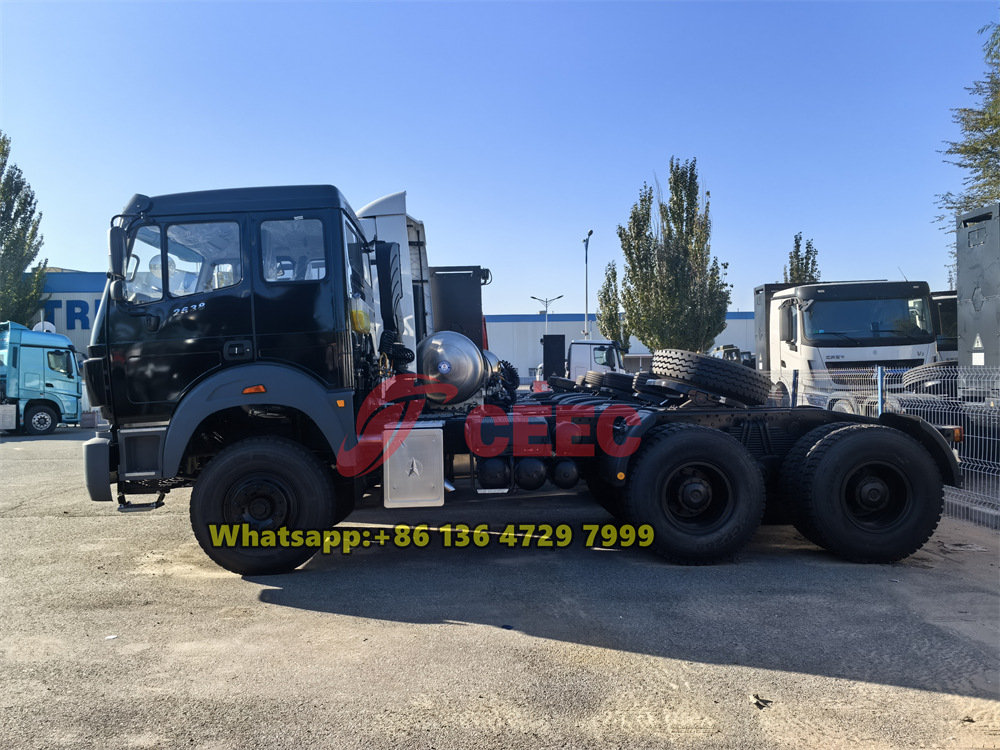
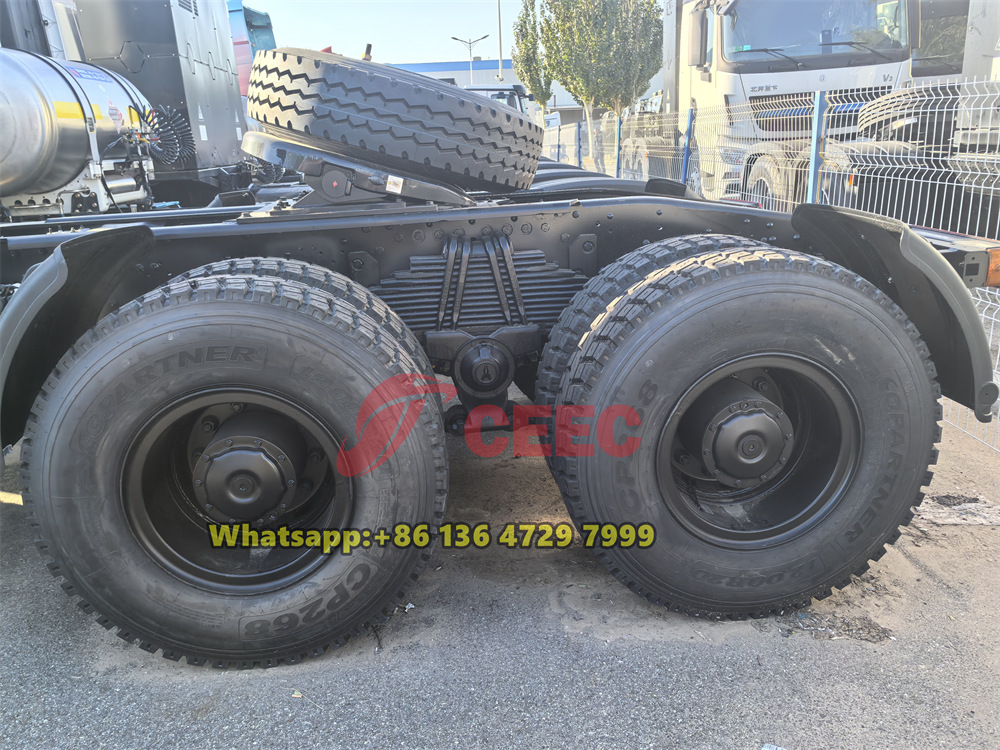
6x4 drive system for beiben 2638 trailer tractor truck

Beiben 2638 Tractor Truck Technical Overview

1. Engine Specifications

  • Model: WP10.380E32
  • Type: Turbocharged, intercooled diesel engine
  • Displacement: 9.726 liters
  • Power Output: 380 HP (280 kW) at 2,100 rpm
  • Peak Torque: 1,500 Nm at 1,200–1,600 rpm
  • Emission Standard: Euro III (E32 designation)
  • Fuel Efficiency: Optimized combustion system for reduced consumption.

2. Transmission System

  • Model: 12JS200T
  • Type: Synchronized manual transmission
  • Gears: 12 forward + 2 reverse
  • Max Input Torque: 2,000 Nm
  • Features: Dual countershaft design for enhanced durability and smooth shifting in heavy-duty operations.

3. Chassis Configuration

  • Wheelbase: 3,450 mm + 1,450 mm (dual-axis configuration)
  • Suspension: Multi-leaf parabolic springs with shock absorbers for load adaptability.
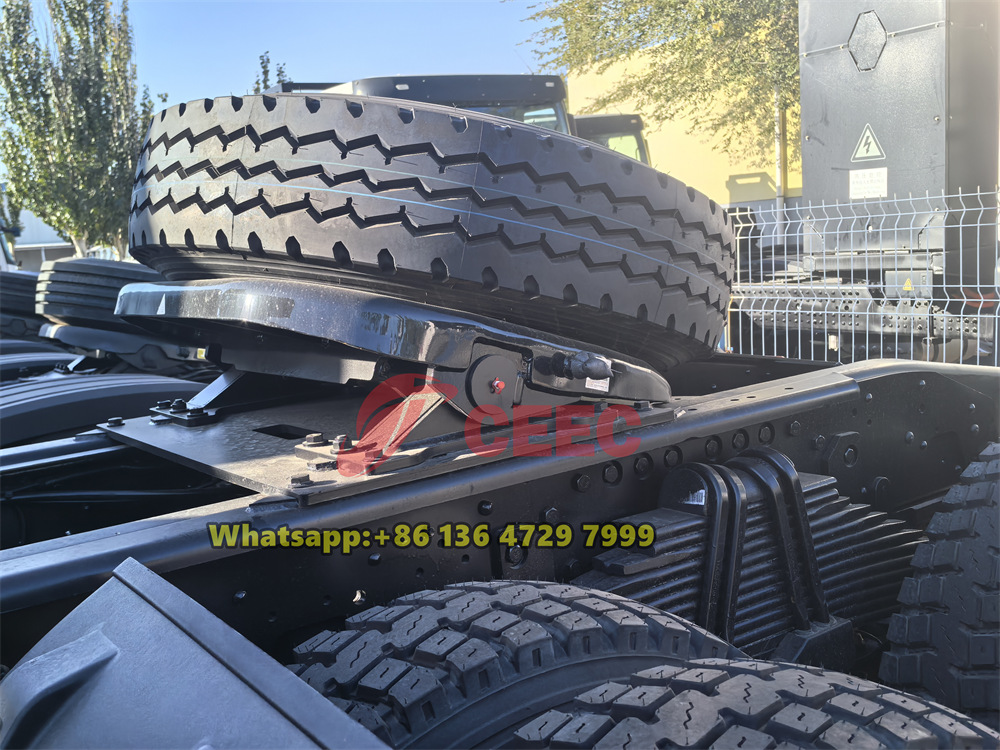
  • Frame: Reinforced high-strength steel structure, supporting a GVW of up to 40 tons.
  • beiben 2638 towing tractor trucksuper quality beiben 2638 tractor truck
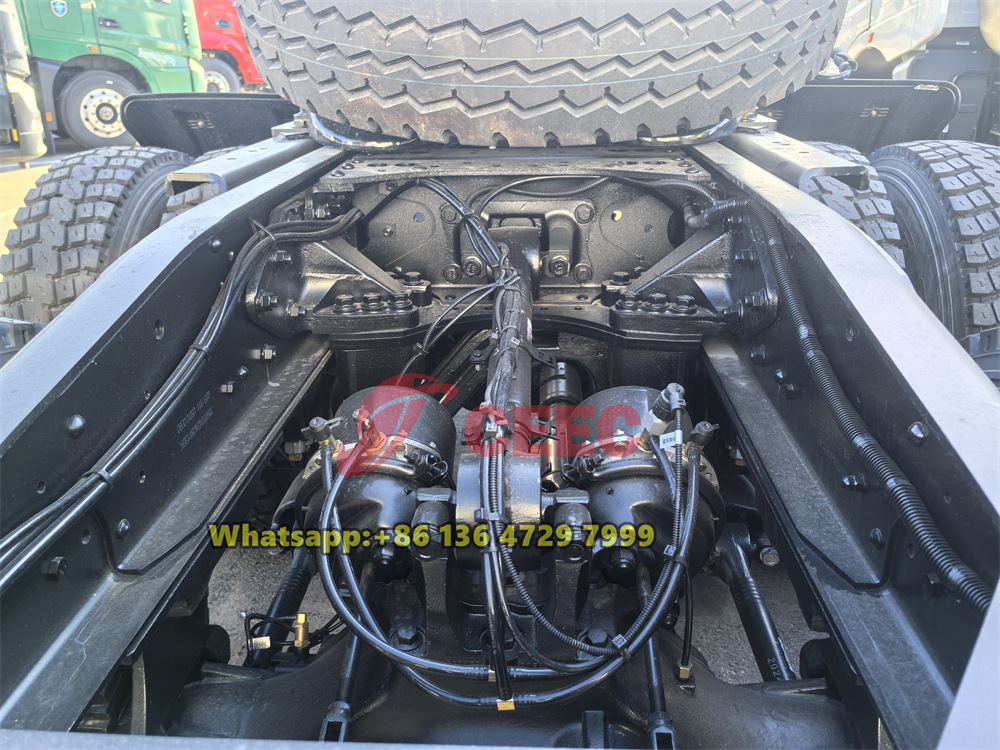
4. Tire Specifications

  • Model: 12.00R20
  • Type: Radial tubeless tires
  • Tread Pattern: Deep-groove design for superior traction on mixed terrains.
  • Load Capacity: 3,500 kg per tire under standard pressure.
  • beiben 2638 towing tractor truck

5. Performance Attributes

  • Gradeability: 30% on slopes with full load.
  • Top Speed: 120 km/h (governor-limited).
  • Braking System: Dual-circuit air brakes with ABS and automatic slack adjusters.

6. Application Focus
Designed for long-haul logistics and heavy cargo transport, the Beiben 2638 integrates power, stability, and fuel economy. Its optimized wheelbase ensures maneuverability in confined spaces, while the robust drivetrain supports sustained operation under extreme loads.

7. Cabin & Safety

  • Driver Ergonomics: Spacious sleeper cabin with adjustable seats and climate control.
  • Safety Features: Reinforced rollover protection, fire suppression system, and LED lighting for visibility.

beiben 2638 towing tractor truckbeiben 2638 towing tractor truck

阅读全文......

How to choose the best excavator hydraulic breaker hammer?

Choosing the best Excavator Hydraulic Breaker Hammer requires considering several important factors. Here are some key points to keep in mind when making your selection:

Compatibility: Ensure that the Hydraulic Breaker Hammer is compatible with your excavator model in terms of weight, hydraulic flow, and pressure requirements.

Operating Weight: Consider the operating weight of the Hydraulic Breakers. It should be within the recommended range for your excavator to ensure optimal performance and minimize stress on the machine.

Power: Evaluate the power or impact energy of the Hydraulic Hammers. Higher power translates to more efficient and faster breaking of materials. Consider the type and density of the materials you will typically be breaking to determine the appropriate power level.

Attachment Size: Verify the size and connection type of the hydraulic breaker hammer attachment. Ensure that it matches the quick coupler or coupling system of your excavator. Standard sizes include the commonly used "pin-on" or "hydraulic quick-coupler" options.

Durability and Quality: Look for a hydraulic breaker hammer made from high-quality materials and manufactured by a reputable brand with a proven track record. Consider factors such as the design, construction, and overall build quality to ensure long-term reliability.

Maintenance and Support: Check the availability and accessibility of spare parts and service support for the hydraulic breaker hammer. Choose a model that is supported by a supplier who can provide assistance, after service, and spare parts when needed.

Noise and Vibration: Consider the noise and vibration levels produced by the hydraulic breaker hammer. Lower noise and vibration levels can improve operator comfort and minimize environmental impact, especially in urban or noise-sensitive areas.

Price and Value: Evaluate the overall value for money by considering the price, features, and performance of the hydraulic breaker hammer. Compare different models, taking into account factors such as warranty, service contracts, and additional features offered.

Before making a final decision, it is recommended to consult with industry professionals who can provide expert advice based on your specific needs and requirements.Welcome to contact by info@doolincm.com or call 86-13400713026.


阅读全文......

Use And Maintenance of Loader Machinery During The Running-in Period

The running-in period is an important link to ensure the normal operation of the small wheel loader, reduce the failure rate and extend its service life. However, at present, some users ignore the special technical requirements of the running-in period of the new machine due to lack of common sense of loader use or because of tight construction period or want to get benefits as soon as possible. Some users even think that the manufacturer has a warranty period anyway, and the manufacturer is responsible for repairing the machine if it breaks down. Therefore, the machine is overloaded for a long time during the running-in period, resulting in frequent early failures of the machine, which not only affects the normal use of the machine and shortens the service life of the machine, but also affects the progress of the project due to machine damage. Therefore, the applicability and maintenance of the loader running-in period should be given full attention.
1. Characteristics of the running-in period
1. Fast wear rate
Due to the influence of factors such as the processing, assembly and adjustment of new machine parts, its friction surface is rough, the contact area of the mating surface is small, and the surface pressure is uneven. During the operation of the machine, the concave and convex parts of the surface of the parts are embedded and rubbed against each other, and the metal debris worn off continues to participate in the friction as abrasive, which accelerates the wear of the mating surface of the parts. Therefore, it is easy to cause wear of parts (especially mating surfaces) during the running-in period, and the wear rate is fast. At this time, if the operation is overloaded, it may cause damage to parts and cause early failures.
2. Poor lubrication
Due to the small fit clearance of newly assembled parts, and due to assembly and other reasons, it is difficult to ensure the uniformity of the fit clearance, and it is not easy for lubricating oil (grease) to form a uniform oil film on the friction surface to prevent wear. This reduces the lubrication efficiency and causes early abnormal wear of the machine. In severe cases, it will cause scratches or bites on the precision-matched friction surface, leading to the occurrence of failures.
3. Looseness
Newly processed and assembled parts have deviations in geometric shape and fit size. In the early stage of use, due to alternating loads such as impact and vibration, as well as factors such as heat and deformation, coupled with excessive wear and other reasons, it is easy for the originally tightened parts to loosen.
4. Leakage occurs
Due to the looseness of parts, vibration and heat of the machine, the sealing surface of the machine and the pipe joints will leak. Some casting and processing defects are difficult to find during assembly and debugging, but due to the vibration and impact during the operation, this defect is exposed, manifested as oil (water) leakage. Therefore, leakage is prone to occur during the running-in period.
5. Many operating errors
Due to insufficient understanding of the structure and performance of the machine (especially new operators), it is easy to cause failures due to operating errors, and even cause mechanical accidents.
2. Applicability and maintenance during the running-in period
1. Since construction machinery is a special vehicle, operators should receive training and guidance from the manufacturer, have a full understanding of the structure and performance of the machine, and gain certain operating and maintenance experience before operating the machine. The "Product Use and Maintenance Manual" provided by the manufacturer is a necessary document for operators to operate the equipment. Before operating the machine, be sure to read the "Use and Maintenance Manual" first and perform operation and maintenance as required.
2. Pay attention to the workload during the running-in period. Half of the workload during the running-in period should not exceed 60% of the rated workload, and arrange a suitable workload to prevent overheating caused by long-term continuous operation of the machine.
3. Pay attention to regularly observe the indications of each instrument. If any abnormality occurs, stop the machine in time to eliminate it. Stop the operation before the cause is found and the fault is eliminated.
4. Pay attention to regularly check the level and quality of lubricating oil, hydraulic oil, coolant, brake fluid and fuel oil (water), and pay attention to checking the sealing of the whole machine. If the inspection finds that there is too much oil and water, the cause should be analyzed. At the same time, the lubrication of each lubrication point should be strengthened. It is recommended that grease should be added to the lubrication points every shift during the running-in period (except for special requirements).
5. Keep the machine clean, adjust and tighten loose parts in time to prevent loose parts from aggravating the wear of parts or causing parts to be lost
6. At the end of the running-in period, the machine should be subject to mandatory maintenance, inspection and adjustment, and pay attention to the replacement of oil.
In short, the requirements for the use and maintenance of wheel loader machine, during the running-in period can be summarized as: strengthen training, reduce load, pay attention to inspection, and strengthen lubrication. As long as you pay attention to and implement the maintenance and maintenance of the loader during the running-in period as required, you will reduce the occurrence of early failures, extend the service life, improve operating efficiency, and make the machine bring you more benefits.

阅读全文......

High Pressure Water Sprayer Backpack

tint sprayer backpack

High Pressure Water Sprayer Backpack 3L/6L

Design:Water Pump High Pressure Sprayer Design With Smart Battery Pack, Portable Remote System.  Ultra Flexible Hose with 200 Micron Filter and Adjustable Brass Nozzle.

Water Bladders Capacity: 3L /6L
Battery capacity: 3000mah
Hose: 1.2 metres, Durable Ultra Flexible Hose
Applications:  Car wrap film, gardening work, high-altitude operation,outdoor
LOGO:Customize

High Pressure Water Sprayer Backpack plays an important role in car wraps film.

It can be used to spray detergent and water to help clean the car surface and remove impurities such as dust, dirt and grease to ensure that the surface before applying the film is clean and smooth. High-pressure water sprayers can provide sufficient pressure and spray force to ensure that the cleaning agent can fully penetrate and clean the car surface.

In addition, the High Pressure Water Sprayer Backpack can also be used to spray the lubricant required when applying the film, helping the film material to slide and adjust its position more easily, thereby ensuring the smoothness and adhesion of the film. Spraying lubricant can reduce friction and bubble generation during the film application process, and improve the quality and efficiency of film application.

Therefore, the High Pressure Water Sprayer Backpack can clean the surface and spray lubricant during the car wrapping process, helping to ensure the smooth progress of the wrapping process and improving the wrapping effect.


High Pressure Water Sprayer Backpack has many uses in life,

including but not limited to the following aspects:

1. Gardening and Agriculture: Used to spray water, fertilizers, pesticides and herbicides to help plants grow and protect crops.


2. Cleaning and disinfection: used for cleaning vehicles, buildings, yards, roads and other surfaces, as well as for disinfection and sterilization.

3. Firefighting and emergency rescue: Can be used to extinguish fires or provide emergency rescue during outdoor activities, camping or emergency situations.

4. Car wash: Used for home or commercial car wash services, providing high-pressure water flow to clean car surfaces.

5. Construction and decoration: used for cleaning construction sites, spraying paint, cleaning walls and floors, etc.

6. Household Cleaning: Used for cleaning garden furniture, patios, driveways, railings and other outdoor areas.

7. Water sports: used for washing boats, kayaks, surfboards and other water sports equipment.

Overall, the High Pressure Water Sprayer Backpack is useful in many daily life and work scenarios, providing a convenient and efficient cleaning and spraying solution.


阅读全文......

What is the difference between overmolding and two-shot molding?

When it comes to advanced manufacturing techniques, overmolding and “two-shot molding” (also known as “two-shot injection molding“) are often discussed in the same breath. However, these methods serve different purposes and are used based on specific production needs. Let’s delve into the key differences between these two approaches to help you understand which might be the ultimate choice for your project.


Overmolding is a technique where a layer of material is molded over an existing component. This process is often used to add features such as grips, seals, or aesthetic elements to a base part. The primary advantage of overmolding is its ability to integrate multiple materials into a single piece, enhancing functionality and appearance without requiring additional assembly steps.


On the other hand, two-shot molding—sometimes referred to as two-shot injection molding—involves injecting two different materials into a single mold in sequence. This process allows for the creation of complex parts with varied material properties, such as different colors or hardness levels, within one finished product. The ultimate benefit of two-shot molding is its efficiency in producing multi-material parts with precise control over the material placement and bonding.


Both two-shot molding and overmolding offer unique advantages depending on the application. Overmolding is ideal for adding features to an existing base part, while two-shot molding excels in creating complex, multi-material components in one go. Understanding these differences can guide you to the most effective solution for your manufacturing needs.

Plastic injection molding

Kenmold is a professional custom plastic injection molding manufacturer. Kenmold Two Shot Injection Molding with resin ABS, silicone, PA6 and PC. Two shot injection molding Product post-process with print for logo and product specification. Sterilization process will be done before assembly and packaging. We offer a one-step solution for custom injection molding, die casting mold. More info at kenmold.com.


阅读全文......

How is Plastic Made for Cars?

The automotive industry continually seeks innovations to improve performance, safety, and aesthetics. One of the key materials driving these advancements is plastic. Understanding how plastic is made for cars is essential for manufacturers and consumers alike. The process begins with the selection of high-quality resins, which are then shaped using advanced techniques such as automotive mold and automotive plastic injection molding.


In automotive manufacturing, the use of automotive molds is crucial. These molds are meticulously designed to create specific components that fit seamlessly within vehicles. The molding process ensures that the resulting parts are lightweight yet durable, making them ideal for a wide range of automotive applications—from interior panels to exterior body components. The precision of automotive mold makers allows for the efficient production of complex shapes, which enhances both functionality and aesthetics.


Automotive plastic injection molding is a widely used technique that streamlines production while maintaining high-quality standards. During this process, heated plastic is injected into molds under high pressure, allowing it to take on the desired shape. This method not only reduces waste but also enables manufacturers to produce large quantities of parts quickly and efficiently. As a result, automotive companies can respond to market demands without compromising on quality.


When it comes to choosing a partner for automotive plastic injection molding, Kenmold stands out in the industry. With years of expertise and a commitment to quality, Kenmold excels in creating custom molds tailored to specific automotive needs. Their state-of-the-art facilities and experienced team ensure that every product meets stringent industry standards. Moreover, Kenmold's focus on sustainable practices makes them a responsible choice for manufacturers looking to minimize their environmental impact.


In summary, the process of making plastic for cars is integral to the automotive industry, leveraging advanced techniques like automotive molds and plastic injection molding. Companies like Kenmold not only provide high-quality solutions but also demonstrate a commitment to innovation and sustainability in automotive manufacturing.

阅读全文......